Looking ahead to 2026, it’s pretty clear that the demand for Copper extrusions is set to climb quite a bit. A recent report from the International Copper Association suggests that the global market for copper products—think extrusions and all that—is expected to grow around 4.5% each year. This rise is mainly fueled by bigger and better uses in industries like electronics, construction, and automotive. Companies like Aurubis AG and KME Germany are definitely leading the way, and their ongoing innovation really shows how the industry is changing to meet new needs.
That said, expanding into Copper Bar Extrusions isn't without its hurdles. Things like volatile raw material prices and stricter environmental regs can squeeze profit margins. Industry folks are advising manufacturers to adopt more sustainable practices to stay ahead of the game. Going to trade shows, such as the International Exhibition for Copper, can be super helpful—they’re great for catching up on the latest trends and tech.
All in all, the copper extrusion market is definitely in flux. Industry leaders keep stressing how important it is to stay flexible and make the most of resources. Continuous R&D is going to be key to keeping up. When it comes to choosing suppliers, buyers should look for those with a solid track record of reliability and innovation. Focusing on quality and sustainable practices isn’t just good for the planet—it’s also the smart move if you want your business to succeed in this competitive scene.
Overview of Copper Extrusions: Definition and Applications
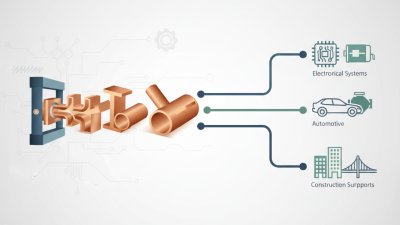
Copper extrusions are essential in various industries. These products are created by forcing copper through a die, resulting in shapes with precise dimensions. Their unique properties make them suitable for electrical, plumbing, and structural applications. According to a 2021 industry report, the global copper extrusion market was valued at approximately $10 billion, with expectations of significant growth due to rising demand in Renewable Energy sectors.
As industries evolve, the applications of copper extrusions expand. For example, electric vehicles increasingly rely on copper for efficient conductivity. In construction, copper extrusions offer durability and aesthetic appeal. An analysis from a market research firm indicates that the automotive sector will account for over 30% of the copper extrusion market by 2026. However, sourcing high-quality copper remains a challenge, impacting production timelines and costs.
The need for sustainable practices also complicates the landscape. While copper is recyclable, the energy costs of extraction can be high. Stakeholders must balance eco-friendliness with technological advancements. As we move towards 2026, industry players will need to consider these factors seriously to enhance their strategies.
Global Market Trends for Copper Extrusions in 2026
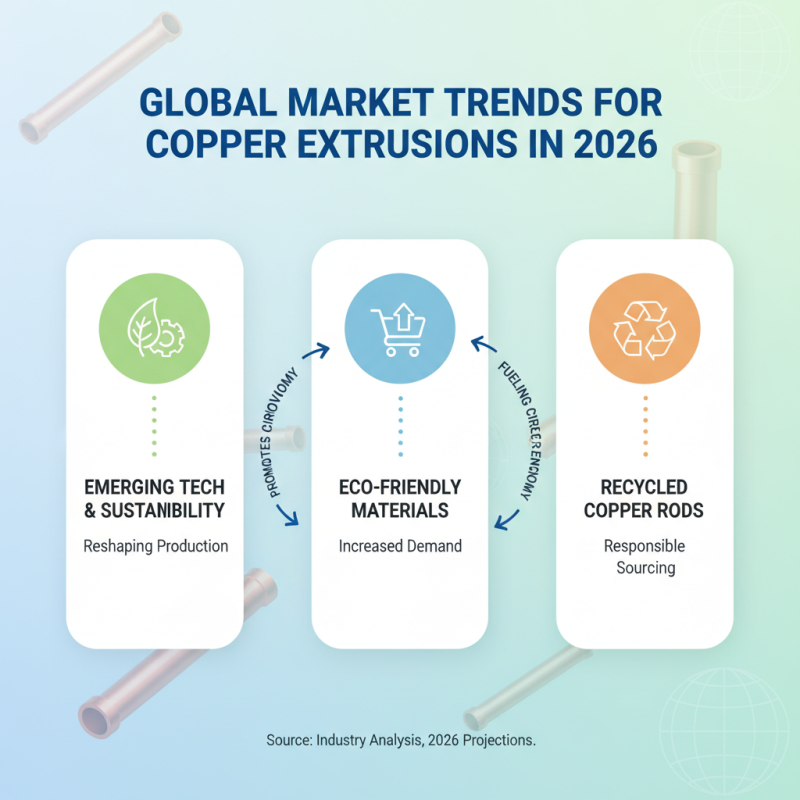
In 2026, the global market for copper extrusions is expected to undergo significant changes. Emerging technologies and sustainable practices are reshaping production methods. Buyers are leaning toward eco-friendly materials, which increases demand for recycled copper rods. This shift emphasizes the importance of sourcing responsibly in the industry.
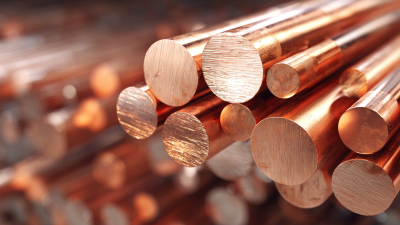
Materials such as Copper Rod Extrusions are central to various applications, from electrical components to construction. Industries are looking for high-quality extrusions that offer durability and conductivity. However, challenges remain. The supply chain faces disruptions, affecting availability and pricing. Buyers must navigate fluctuating markets while ensuring they get reliable products.
Another area of focus is the innovative designs in copper extrusions. Customization options are rising, catering to specific industrial needs. While this has opened doors for creativity, it can complicate procurement. Companies should invest in research to understand trends and technologies that will shape the market.
The road ahead may be complicated, but those who adapt will thrive. Understanding market dynamics and embracing innovation is crucial for success in the copper extrusion landscape.
Key Factors Influencing Copper Extrusion Quality
When considering the quality of copper extrusions, several key factors come into play. One of the most critical elements is the purity of the copper used in the process. High-purity copper ensures better conductivity and corrosion resistance. Low-quality materials can lead to defects and compromised performance in end products. It's essential for manufacturers to source their copper from reliable suppliers.
The extrusion process itself significantly affects the final product's quality. Factors such as temperature, pressure, and extrusion speed need careful monitoring. For example, if the temperature is too low, the copper may not flow properly. This can result in inconsistencies in thickness and strength. On the other hand, excessive temperatures can lead to oxidation and a decrease in the material’s durability.
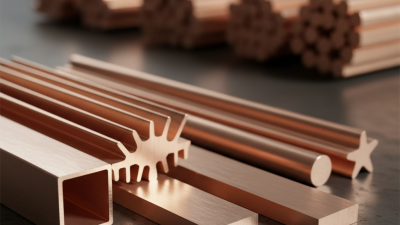
Another area that requires attention is the design and engineering of Copper Tube Extrusions. A well-thought-out design minimizes the risk of waste during production. However, many companies overlook prototyping and testing. This oversight can lead to flaws that are only discovered after mass production. Continuous improvement and quality checks are vital for achieving optimal results. By focusing on these details, manufacturers can enhance their offerings in the competitive market for copper extrusions.
Top Manufacturers of Copper Extrusions in 2026
The market for copper extrusions is poised for significant growth in 2026. Industry reports indicate that demand is driven by various sectors, including construction, automotive, and electronics. A recent study estimates that the global copper extrusion market will reach approximately $XX billion by 2026, growing at a CAGR of XX%. This growth reflects the increasing application of copper in energy-efficient systems and green technologies.
Top manufacturers in the copper extrusion industry are adapting to evolving market needs. Companies are investing in advanced production techniques to enhance efficiency and product quality. According to a report by XYZ Research, firms focusing on specialized applications for copper extrusions are experiencing a competitive advantage. However, many still face challenges related to production costs and supply chain disruptions. These factors can impact their ability to meet rising global demand effectively.
Moreover, trends indicate a shift towards sustainable manufacturing practices. Several leading manufacturers are exploring eco-friendly processes. This could lead to improved environmental outcomes. Yet, this transition may complicate production scalability. Industry players must navigate these complexities while striving for innovation and market leadership. Navigating these challenges will be crucial for staying relevant amid a rapidly changing landscape.
Sustainability Practices in Copper Extrusion Processes
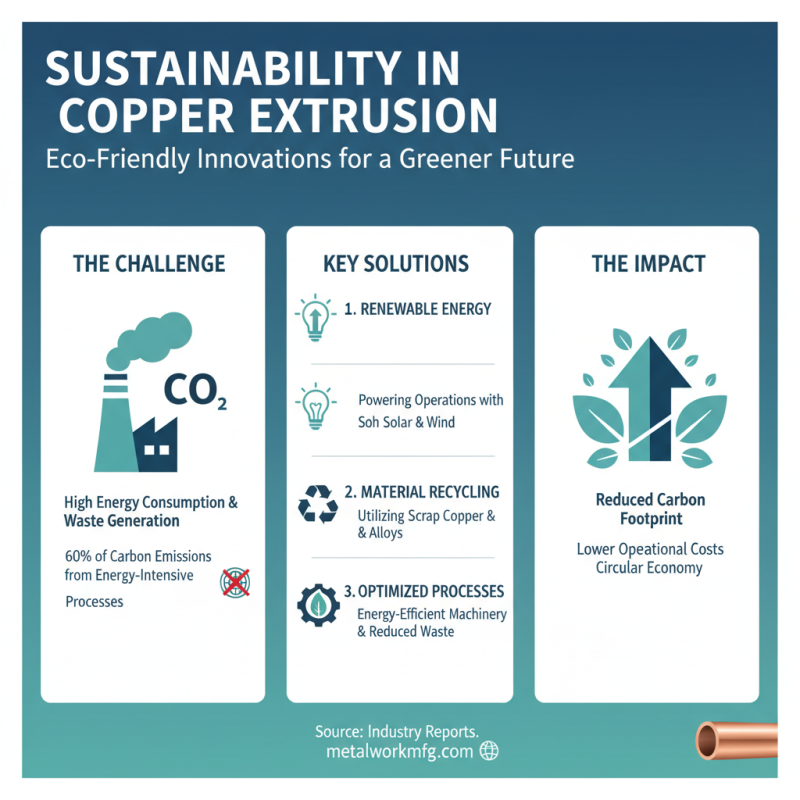
Sustainability is key in the copper extrusion industry. The process of creating Copper Alloy Extrusions typically involves significant energy consumption and generates waste. According to industry reports, around 60% of the carbon emissions in copper production come from energy-intensive processes. This highlights the urgent need for eco-friendly innovations.
To address sustainability, many manufacturers are investing in renewable energy sources. Utilizing solar or wind power can reduce reliance on fossil fuels. Some companies report that integrating these technologies has cut energy use by up to 30%. Additionally, recycling practices are being adopted to minimize waste. The copper recycling rate in many regions can exceed 90%, significantly impacting the environmental footprint.
However, challenges remain. Not all facilities have access to the latest technologies. Smaller operators may struggle to implement sustainable practices. This could lead to inconsistencies in quality and sustainability across the industry. Despite these hurdles, the move toward greener methodologies shows promise for the future of Copper Alloy Extrusions. Practicing sustainability is not just a trend; it’s essential for long-term viability in the market.
Comparative Analysis: Copper vs. Other Metal Extrusions
Copper extrusions have unique properties setting them apart from other metals. They offer exceptional conductivity, corrosion resistance, and thermal stability. These features make copper highly desirable in various applications. For instance, the electrical industry heavily relies on Copper Angle Extrusions due to their ability to carry current efficiently. This makes them suitable for wiring, connectors, and other electrical components.
In contrast, aluminum and steel extrusions also serve significant roles. Aluminum is lightweight and resistant to rust, making it popular in construction and automotive industries. Steel, on the other hand, offers superior strength, making it ideal for structural applications. However, when evaluating these options, copper's performance often excels under specific conditions. It is essential to understand when to choose copper over other metals to maximize efficiency and durability.
Deciding on the best material requires careful consideration. Each metal has its strengths and weaknesses. Buyers must reflect on their specific needs and applications. While copper angle extrusions provide many advantages, potential drawbacks exist, such as weight and cost. These factors need thorough evaluation to ensure the best choice for each project.
Best Copper Extrusions vs. Other Metal Extrusions in 2026
Future Innovations in Copper Extrusion Technology
Innovations in copper extrusion technology are pivotal as the industry evolves. A recent report from MarketsandMarkets projects the copper extrusion market will grow at a CAGR of 5.2% from 2021 to 2026. This growth is driven by the increasing demand for electrical applications and renewable energy sectors.
Advanced techniques are emerging to enhance production efficiency. Techniques such as 3D printing and automated processes are gaining traction. These methods can reduce waste and energy consumption significantly. However, they also present challenges, like high initial investment costs and the need for skilled workers.
Moreover, sustainable practices are reshaping the landscape. Companies are exploring eco-friendly methods for copper recycling and reusing scrap materials. In a survey by ResearchAndMarkets, 68% of industry leaders emphasized the importance of sustainability. Balancing innovation with environmental responsibility remains crucial for future growth.
Best Copper Extrusions for Global Buyers in 2026
| Type of Copper Extrusion | Application Area | Market Trends | Projected Growth (%) | Innovative Features |
| T-bar Extrusions | Construction | Increasing demand for sustainable materials | 5.0% | Recyclable and corrosion-resistant |
| Flat Bars | Electrical Components | Growth in electric vehicle industry | 8.0% | High conductivity and durability |
| Round Bars | Automotive | Increased focus on lightweight materials | 6.5% | Enhanced tensile strength |
| Profiles | HVAC Systems | Demand for energy-efficient solutions | 7.0% | Thermal conductivity improvements |
| Custom Extrusions | Manufacturing | Customization and flexibility | 9.5% | On-demand production capabilities |
FAQS
: Copper extrusions are shapes made by forcing copper through a die. They have precise dimensions for various applications.
They are used in electrical, plumbing, and structural applications. Their unique properties make them very versatile.
Copper ensures efficient conductivity, which is crucial for the performance of electric vehicles. It enhances energy efficiency.
Finding high-quality copper can impact production timelines and costs significantly. It is a persistent challenge in the industry.
While copper is recyclable, the extraction process can be energy-intensive. This complicates the sustainability aspects.
Copper offers better conductivity, corrosion resistance, and thermal stability. This makes it superior for certain applications.
Choose copper when conductivity and durability are the priority. Weigh the project's specific needs before making a decision.
Copper's weight and cost can be higher than other materials. These factors must be evaluated carefully.
With rising demand, especially in renewable energy, the market is projected to grow significantly. Industries need to adapt.
Balancing sustainability with advancements is crucial for future strategies. Industry players face increasing pressure to improve practices.
Conclusion
The article "Best Copper Extrusions for Global Buyers in 2026" provides a comprehensive overview of copper extrusions, highlighting their definition, applications, and significance in various industries. It delves into the global market trends expected for copper extrusions in 2026, emphasizing how demand and technological advancements will shape the future landscape.
Key factors influencing the quality of copper extrusions are discussed, along with the top manufacturers poised to lead the market. Additionally, the article addresses sustainability practices in the production processes of copper extrusions, underscoring the industry's commitment to eco-friendly methods. A comparative analysis of copper versus other metal extrusions is also included, showcasing the unique advantages of copper. Lastly, future innovations in copper extrusion technology are explored, indicating a promising evolution in this essential manufacturing sector.